Real stories from founders building the future
Unfiltered insights from the people doing the hardest work in startups.
120+
Episodes published
10K+
Monthly listeners
$50B+
Raised by guests
10+
Unicorn founders
80K+
YouTube subscribers
“Entrepreneurship, like many things in life, pays dividends if you stay true to who you are.”
Past guests include founders from
Fresh from the feed
 🔥 PopularEp. 122
Autonomous AI Agents Are Changing How We Interact with the Web | Abhishek Das - Co-founder and Co-CEO of Yutori
Discover how Yutori is revolutionizing web interactions through autonomous AI agents designed for digital and web-based tasks. In this episode, Abhishek shares insights into building agentic AI, the technical challenges, and the evolving landscape of AI-powered automation.
 NewEp. 121
The Future of Sales Training: AI Roleplay, Coaching, and Practice
Varun Puri, Co-founder & CEO of Yoodli, shares how AI is transforming sales training through roleplay, instant feedback, and scalable coaching. From public speaking tool to enterprise platform used by Google, Snowflake, and Databricks — the story behind 900% revenue growth and 1M+ users.
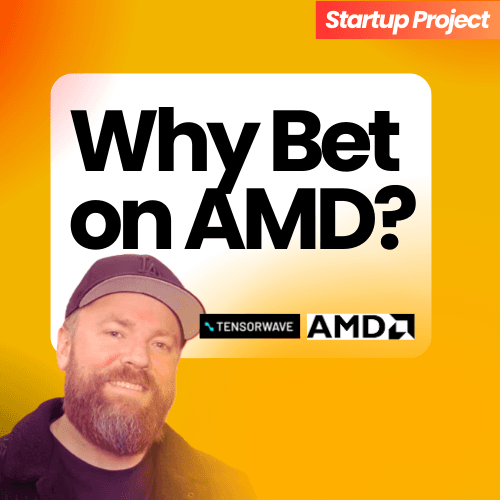 Ep. 120
Jeff Tatarchuk of TensorWave: Pioneering the AMD GPU Cloud Revolution
Jeff Tatarchuk, Co-founder & CEO of TensorWave, discusses how his company is disrupting the AI compute market by exclusively deploying AMD GPUs, offering a cost-effective and sustainable alternative to NVIDIA. He shares insights into building modern...
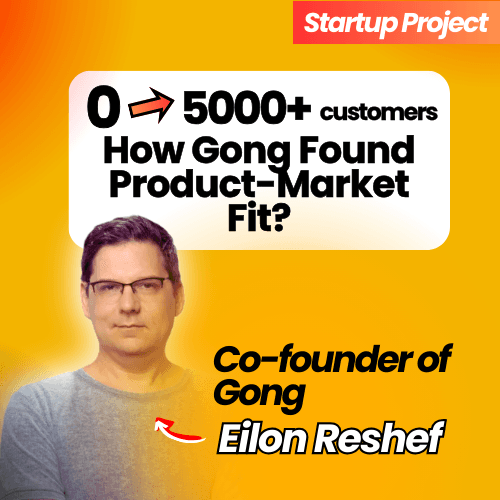 Ep. 119
Eilon Reshef on How Gong Leverages AI to Revolutionize Revenue Operations
Eilon Reshef, Co-Founder and CPO of Gong, discusses the company's journey from conversational intelligence to a comprehensive revenue AI operating system. He shares insights on product-market fit, the impact of AI, and the future of enterprise...
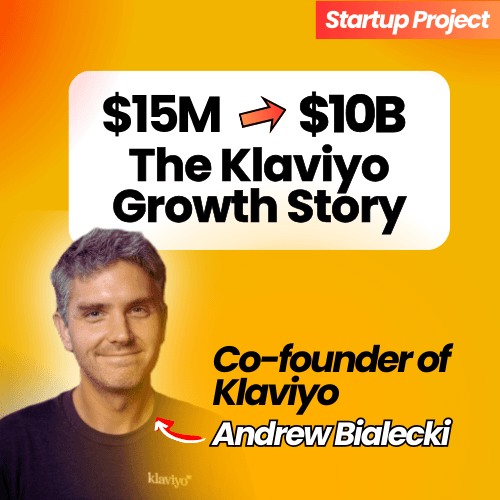 Ep. 118
Treating Every Customer Like the Only One: Andrew Bialecki on Building Klaviyo
Andrew Bialecki, CEO of Klaviyo, discusses the company's journey from a database solution to a marketing automation powerhouse. He shares insights on product-market fit, capital efficiency, and the evolving role of AI in customer engagement.
 Ep. 117
Ilya Levtov of Craft: Building Resilient Supply Chains with AI-Powered Intelligence
Ilya Levtov, CEO of Craft, discusses how his company is revolutionizing supply chain management with an AI-powered platform that provides 360-degree visibility and risk mitigation. Learn how Craft helps governments and enterprises proactively avoid...
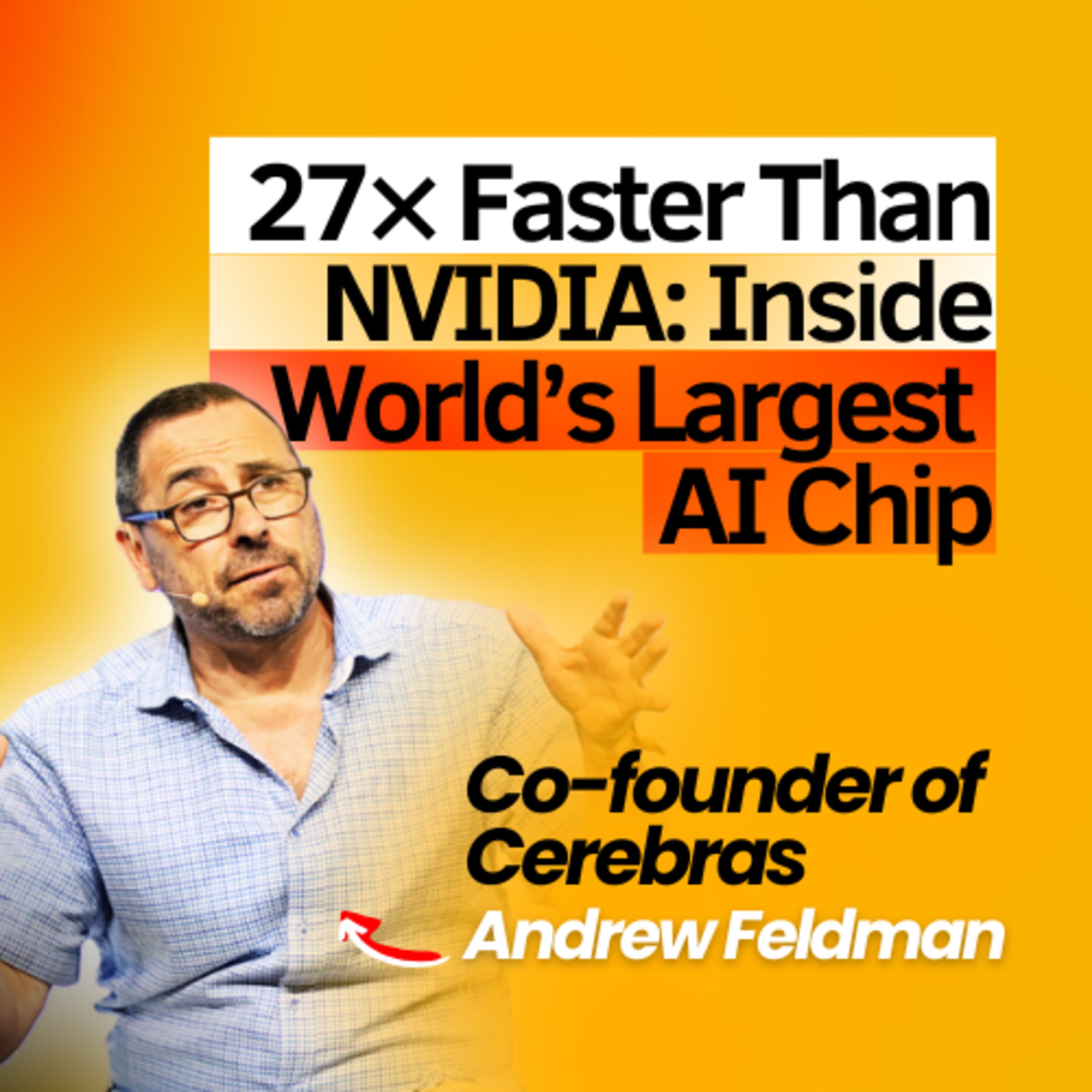 Ep. 116
Andrew Feldman of Cerebras on the Future of AI Compute and Sovereign AI
Andrew Feldman, CEO of Cerebras, discusses the company's innovative approach to AI compute, challenging NVIDIA with its wafer-scale engine and open-source strategies. He shares insights on sovereign AI, the shift to open-source models, and how...
In their own words
Straight from the founders
Product-market fit isn't a moment. It's a signal you keep chasing — and when you finally feel it, everything changes overnight.
Eilon Reshef
Co-Founder & CPO · Gong
We stayed profitable long before it was fashionable. Capital efficiency forced us to build a real business, not a subsidised one.
Andrew Bialecki
CEO & Co-Founder · Klaviyo
NVIDIA built a great product, but a monopoly is never good for innovation. We're here to change that.
Andrew Feldman
CEO · Cerebras
Enterprise search was broken. Founders kept asking 'why is finding information at work still this hard?' — that was our whole thesis.
Arvind Jain
Co-Founder · Glean
The terminal is the most powerful tool a developer has. We asked why it still looked the same as it did in 1980.
Zach Lloyd
CEO & Co-Founder · Warp
About the host
Meet Nataraj
I'm a product leader and early stage investor. Startup Project is where I interview founders who found product-market fit—and unpack the decisions behind it.
- Product Operator + Early Stage Investor
- Focused on PMF, AI First Products & Building the Future of Technology.
- Actionable takeaways from operators with real experience.

Nataraj Sindam
Product Operator, investor in AI first early stage technology companies.
Never miss an episode
Subscribe on your favourite platform
New conversations drop every week. Listen wherever you get your podcasts.